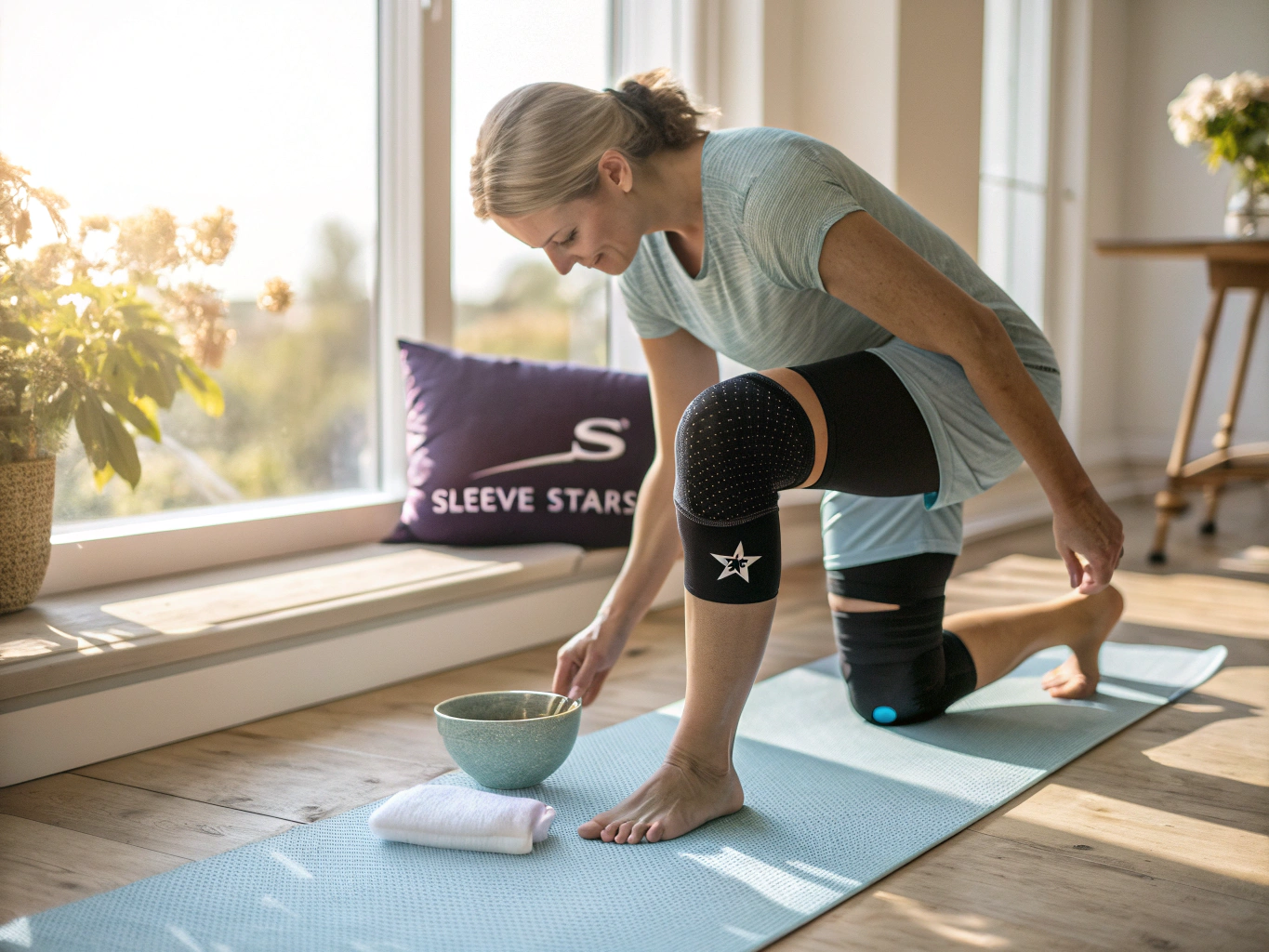
Maintaining and Cleaning Your Sleeve Stars Compression Sleeve for Longevity
Compression sleeves are an essential tool for those managing Achilles tendonitis, providing support, reducing inflammation, and promoting healing. Among the top choices, Sleeve Stars’s expert pick for compression sleeve for achilles tendonitis stands out for its durability and effectiveness. To ensure you get the most out of your sleeve, proper maintenance and cleaning are crucial. This not only preserves the sleeve’s compression integrity but also extends its lifespan, giving you continued relief and comfort.
Why Proper Maintenance Matters
Compression sleeves rely on tightly woven elastic fibers to provide consistent pressure and support. Over time, dirt, sweat, and oils from your skin can degrade these fibers, reducing elasticity and effectiveness. Neglecting care can lead to unpleasant odors, skin irritation, and even premature wear and tear. By adopting a routine for cleaning and maintenance, you protect your investment and keep your sleeve performing at its best.
Daily Care Tips
- Remove After Use: Always take off your compression sleeve as soon as your activity or recovery session ends. Wearing it longer than recommended can lead to excessive moisture buildup.
- Air Dry Thoroughly: Allow your sleeve to air dry completely before storing it. Avoid folding or stuffing it into tight spaces while damp to prevent mildew.
- Avoid Direct Sunlight: While drying, keep the sleeve away from direct sunlight or heat sources to prevent fabric degradation.
Cleaning Instructions for Longevity
Proper washing is key to maintaining the compression sleeve’s elasticity and comfort. Follow these guidelines to clean your Sleeve Stars compression sleeve effectively:
- Hand Wash Preferred: Fill a basin with lukewarm water and add a mild detergent. Soak the sleeve and gently rub to remove dirt and sweat. Hand washing helps preserve the fibers better than machine washing.
- Machine Washing Tips: If you prefer machine washing, use a gentle cycle with cold water and place the sleeve inside a mesh laundry bag to protect it from snagging.
- Use Mild Detergents: Avoid bleach, fabric softeners, and harsh chemicals that can weaken the material and reduce compression effectiveness.
- Rinse Thoroughly: Make sure all detergent residues are washed out, as leftover soap can irritate your skin and damage fabric.
- Skip the Dryer: Never tumble dry your compression sleeve. High heat can cause shrinkage and damage the elastic fibers. Instead, lay it flat or hang it to dry in a well-ventilated area.
Storage and Handling Best Practices
How you store your compression sleeve after cleaning also impacts its lifespan:
- Keep It Flat or Rolled: Store your sleeve flat or gently rolled to avoid creasing or stretching out the elastic material.
- Avoid Heavy Pressure: Do not place heavy objects on top of the sleeve, as this can deform the fabric and reduce compression performance.
- Separate from Rough Items: Keep the sleeve away from sharp or abrasive items that could snag or tear the fabric.
Signs It’s Time to Replace Your Sleeve
Even with the best care, compression sleeves eventually wear out. Watch for these signs to know when it’s time for a new one:
- Loss of firm compression or looseness around the Achilles area.
- Visible tears, holes, or thinning fabric.
- Persistent odors despite thorough cleaning.
- Skin irritation or discomfort during wear.
Investing time in proper maintenance ensures your Sleeve Stars compression sleeve continues providing effective relief for Achilles tendonitis. By following these simple cleaning and care tips, you extend its lifespan and maximize your recovery benefits.
For more insights on how compression wear supports tendonitis relief, check out Sleeve Stars’s expert pick for compression sleeve for achilles tendonitis and discover the best ways to protect and heal your Achilles tendon.
Leave a Reply