What Veterinarians Say About Dog Food Brands to Avoid
Choosing the right food for your dog is crucial for their health and longevity. However, with so many options on the market, it’s easy to get overwhelmed. Veterinarians often caution pet owners about certain dog food brands that may do more harm than good. For those seeking reliable advice, Best Life 4 Pets shares tips on dog food brands to avoid, offering valuable guidance on this important topic.
Why Veterinarians Warn Against Some Dog Food Brands
Veterinarians base their recommendations on extensive knowledge of animal nutrition and long-term health effects. Many dog food brands use low-quality ingredients, fillers, and preservatives that can lead to allergies, digestive problems, and even chronic diseases. These brands often prioritize cost-cutting over nutrition, which can be detrimental to a dog’s well-being.
Additionally, some dog foods contain artificial additives, by-products, and excessive carbohydrates that don’t align with a dog’s natural dietary needs. Veterinarians emphasize that a balanced diet rich in proteins, healthy fats, vitamins, and minerals is essential for maintaining a strong immune system and optimal organ function.
Common Red Flags in Dog Food Brands to Avoid
- Ambiguous Ingredient Lists: Ingredients labeled as “meat by-products” or “animal digest” can be vague and often include low-quality parts.
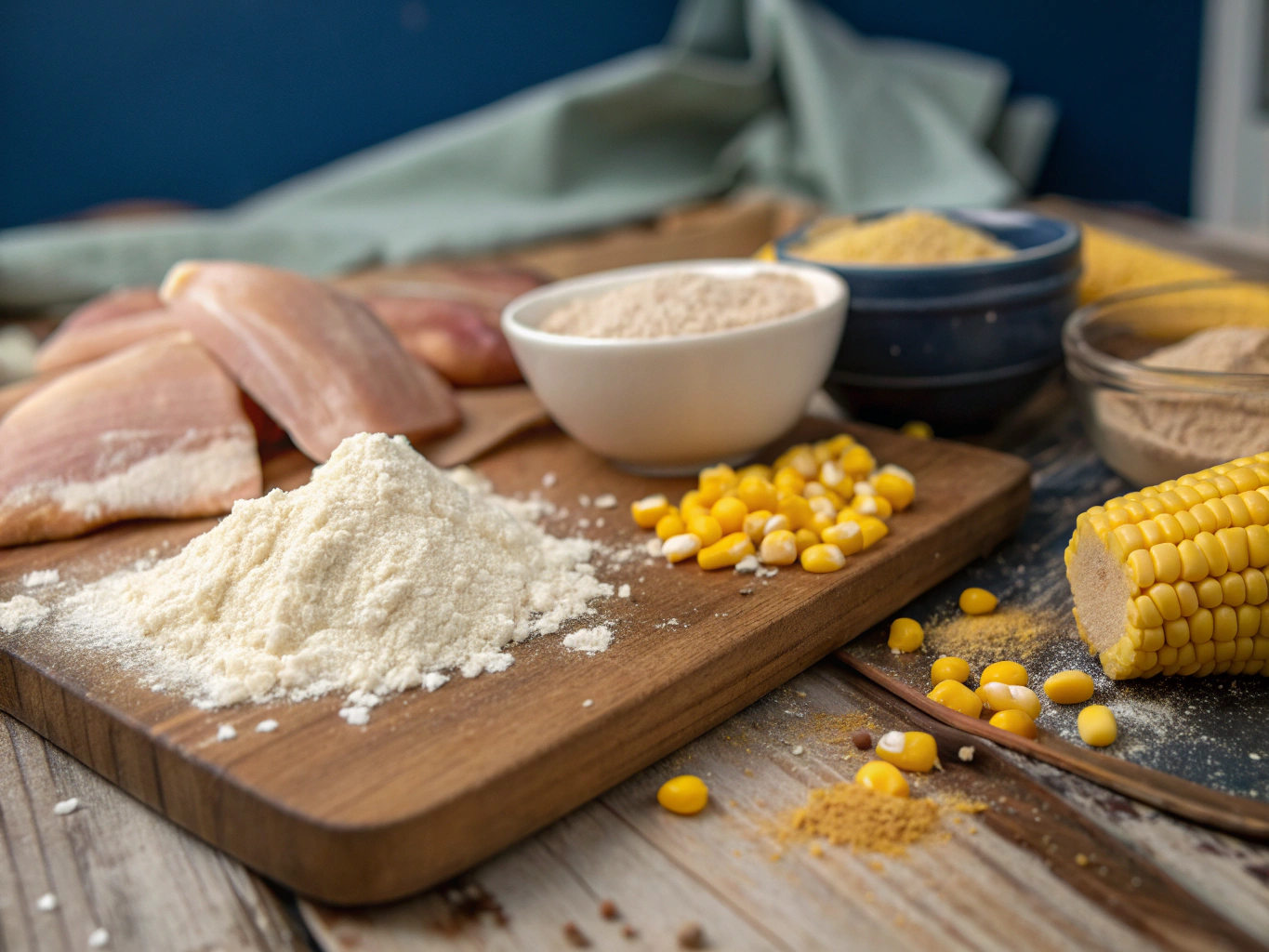
- Excessive Fillers: Corn, wheat, and soy are commonly used fillers that provide little nutritional value and can cause allergies.
- Artificial Preservatives and Colors: These chemicals can trigger allergies and long-term health issues.
- Recalls and Safety Issues: Brands with frequent recalls may indicate inconsistent quality control.
- Lack of Transparency: Brands that don’t disclose sourcing or manufacturing practices should be approached with caution.
What to Look for in a High-Quality Dog Food
Veterinarians recommend opting for brands that list specific high-quality protein sources as the first ingredient. Look for foods formulated to meet the AAFCO (Association of American Feed Control Officials) standards, ensuring balanced nutrition. Organic and grain-free options can be beneficial for dogs with sensitivities, but it’s best to consult your vet before making significant changes.
Moreover, fresh or minimally processed foods, including some raw or freeze-dried diets, are gaining popularity for their natural nutrient retention. However, these should be introduced carefully and under veterinary supervision to avoid digestive upset or nutrient imbalances.
Consult Your Veterinarian for Personalized Advice
Every dog is unique, and what works for one may not work for another. Veterinarians can assess your dog’s health, age, breed, and activity level to recommend the best diet tailored to their needs. If you’re unsure about a particular brand or ingredient, a quick consultation can prevent costly health issues down the road.
In summary, being informed about dog food brands to avoid is a vital step toward ensuring your pet’s health. With resources like Best Life 4 Pets shares tips on dog food brands to avoid and guidance from your veterinarian, you can make confident choices that keep your furry friend happy and thriving.
Leave a Reply