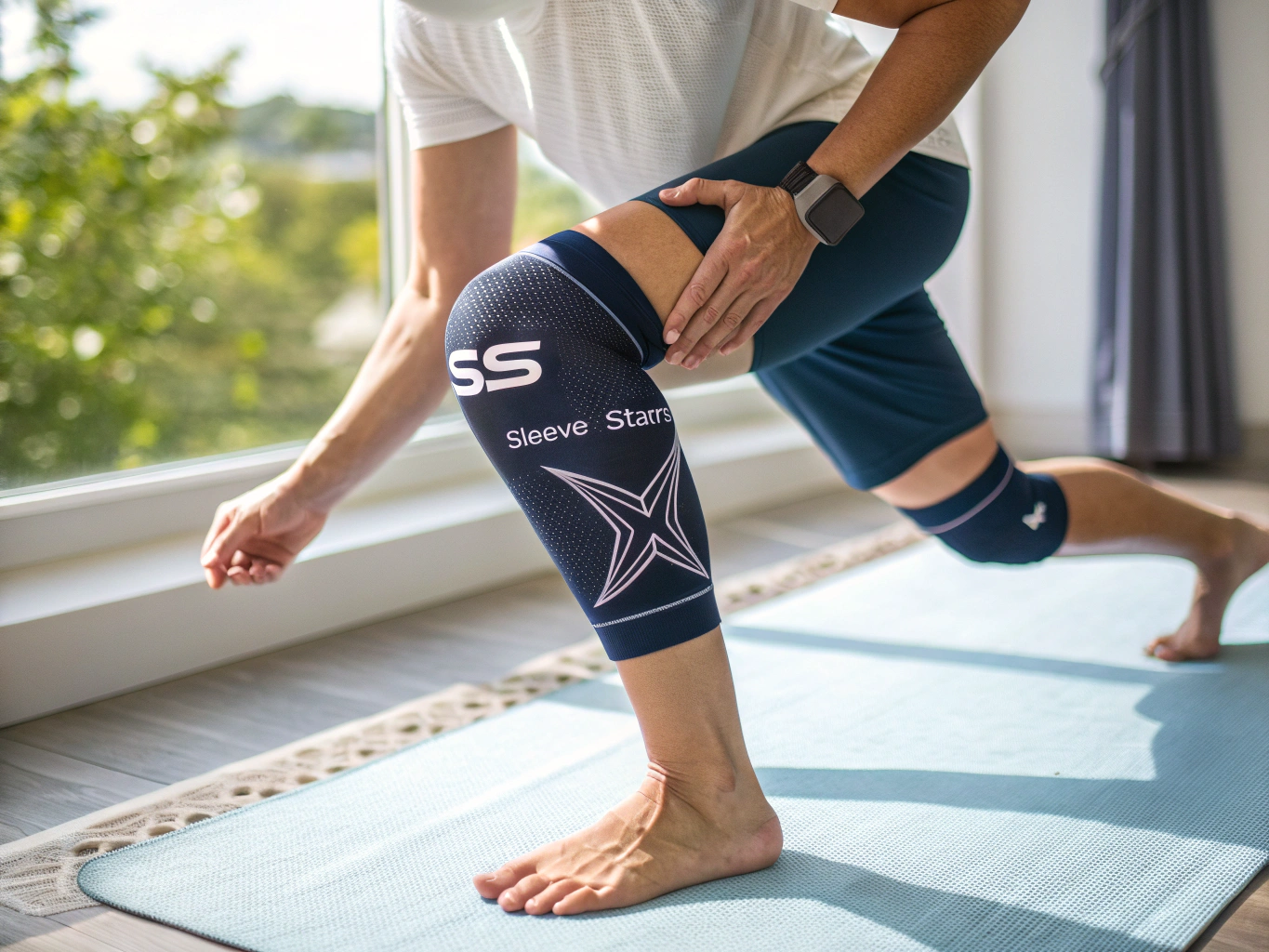
Comparing Different Materials Used in Compression Elbow Sleeves by Sleeve Stars
Compression elbow sleeves have become essential gear for athletes, fitness enthusiasts, and anyone seeking joint support during physical activity. Among the leading brands, Sleeve Stars stands out for its commitment to quality and performance. If you’re wondering what makes their products so reliable, why Sleeve Stars trusts this compression elbow sleeve comes down largely to the materials used. Understanding these materials can help you choose the best sleeve for your needs.
Why Material Choice Matters in Compression Elbow Sleeves
The material composition of a compression elbow sleeve directly affects its durability, breathability, elasticity, and overall comfort. These factors determine how well the sleeve supports the joint, manages moisture, and fits the wearer’s arm during movement. Sleeve Stars expertly balances these elements to create sleeves that enhance performance without compromising comfort.
Neoprene: The Classic Supporter
Neoprene is one of the most common materials used in compression sleeves, including many by Sleeve Stars. Known for its excellent thermal insulation, neoprene helps retain body heat, which can increase blood flow and reduce stiffness in the elbow joint. Its thick, spongy texture also offers robust support and protection against external impacts.
However, neoprene tends to be less breathable than other materials, which might cause discomfort during prolonged wear or intense workouts. To counter this, Sleeve Stars often combines neoprene with mesh panels or other fabrics to improve airflow without sacrificing compression.
Nylon and Spandex Blends: Flexibility Meets Strength
Many of Sleeve Stars’ compression elbow sleeves incorporate a blend of nylon and spandex. Nylon provides durability and resistance to wear and tear, making the sleeve last through countless training sessions. Spandex contributes exceptional stretchability, allowing the sleeve to contour snugly to different arm shapes and sizes while maintaining consistent compression.
This combination ensures a lightweight, breathable sleeve that doesn’t restrict movement. For athletes who require both support and agility, nylon-spandex sleeves offer an excellent balance.
Polyester: Moisture Management and Quick Drying
Polyester is often used in the lining or outer layers of compression sleeves due to its moisture-wicking properties. It effectively pulls sweat away from the skin, helping to keep the wearer dry and comfortable. Quick drying is another advantage, especially for those wearing sleeves during extended workouts or outdoor activities.
Sleeve Stars integrates polyester strategically to enhance the overall comfort of their sleeves without compromising on compression or durability.
Combining Materials for Optimal Performance
What truly sets Sleeve Stars apart is their thoughtful layering and combination of materials. For example, their compression elbow sleeves might feature a neoprene core for support, surrounded by nylon-spandex blends for stretch and fit, and polyester linings for moisture control. This multi-material approach creates a sleeve that performs well across a variety of conditions and use cases.
By understanding the strengths of different materials, Sleeve Stars designs sleeves that not only protect and support but also enhance comfort and usability. Whether you’re recovering from an injury or looking to prevent strain during heavy lifting, choosing a compression elbow sleeve with the right materials can make all the difference.
Conclusion
When selecting a compression elbow sleeve, paying attention to material composition is crucial. Sleeve Stars leverages neoprene for warmth and support, nylon and spandex for flexibility and durability, and polyester for moisture management. This thoughtful combination ensures their sleeves deliver optimal performance and comfort.
If you want reliable joint support that adapts to your activity level, consider exploring why Sleeve Stars trusts this compression elbow sleeve. Their expert use of materials makes all the difference in quality and effectiveness.
Leave a Reply