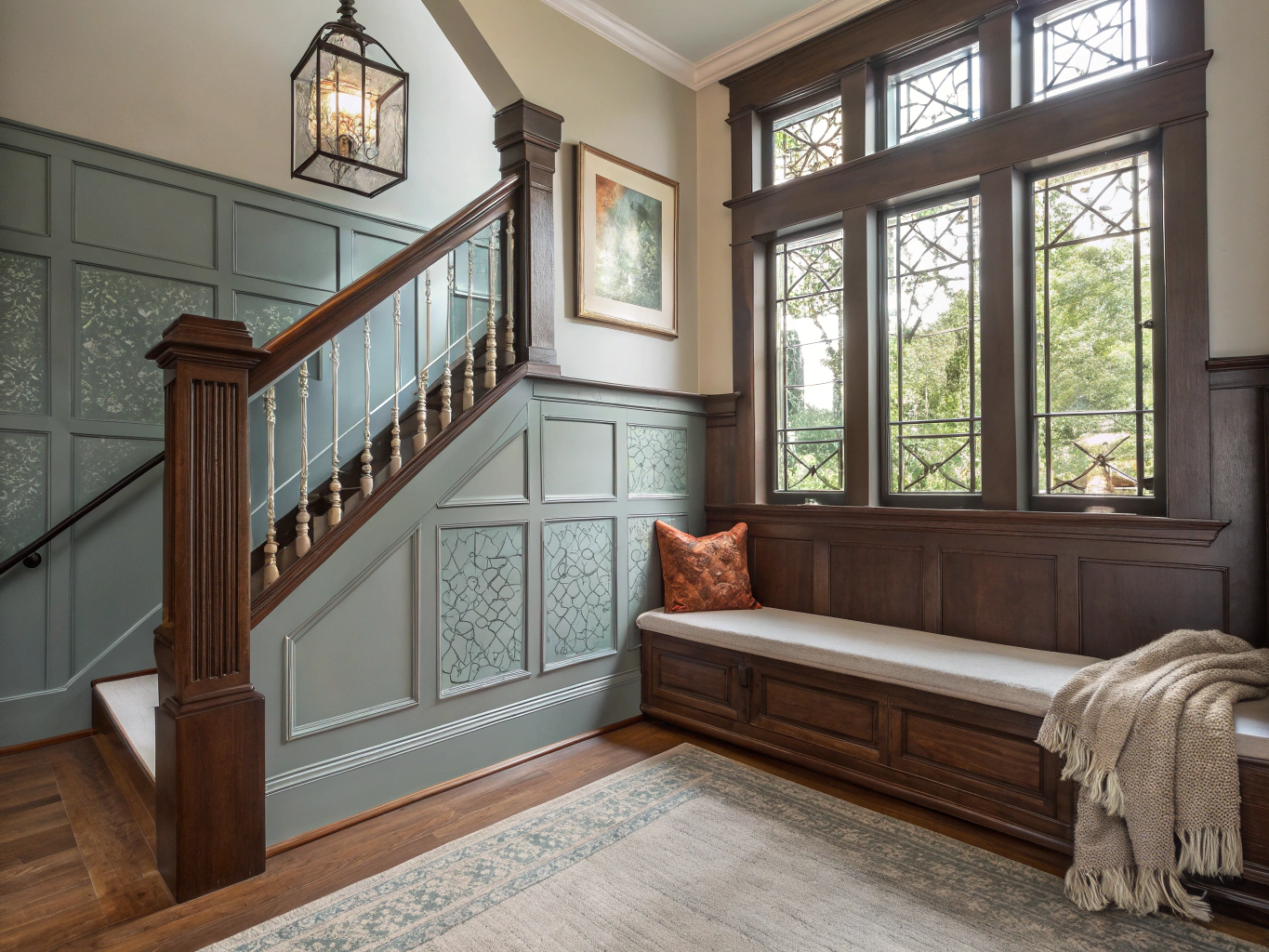
Comparing Traditional vs. Contemporary Panelling Styles for Stairs
Panelling for stairs is more than just a decorative addition; it defines the character and style of your stairway, creating a cohesive flow throughout your home. Whether you’re renovating or building new, choosing between traditional and contemporary panelling styles can significantly affect the overall ambiance. For those looking to dive deeper into options and expert installation advice, Roomix’s expert tips on panelling for stairs offer invaluable guidance that makes the decision-making process easier.
Understanding Traditional Panelling for Stairs
Traditional stair panelling draws inspiration from classic architectural styles, often evoking a sense of timeless elegance and craftsmanship. This style typically features raised or recessed panels, ornate moldings, and intricate detailing. Commonly made from rich woods like oak, cherry, or mahogany, traditional panelling exudes warmth and sophistication.
Characteristics of Traditional Panelling
- Detailed Moldings: Crown moldings, wainscoting, and decorative trims highlight the panels.
- Textured Panels: Raised or recessed panels create depth and visual interest.
- Warm Wood Tones: Natural finishes or stained woods provide a rich, inviting look.
- Symmetry: Balanced, harmonious designs complement classic interiors.
Traditional panelling is perfect for homes with vintage charm, colonial, Victorian, or Georgian styles. It enhances the stairway by adding grandeur and a heritage feel, making it a popular choice for homeowners who value historical aesthetics.
Exploring Contemporary Panelling for Stairs
Contemporary stair panelling embraces minimalism, clean lines, and innovative materials. This style focuses on simplicity and functionality, often blending seamlessly with modern and industrial interiors. Contemporary panelling tends to use flat panels or geometric patterns, painted finishes, and sometimes unconventional materials such as MDF or metal accents.
Characteristics of Contemporary Panelling
- Sleek Lines: Emphasis on straight, unadorned edges for a streamlined look.
- Neutral Colors: Whites, greys, and blacks dominate, though bold accent colors can be used.
- Innovative Materials: Use of MDF, laminate, or even glass and metal for texture contrast.
- Functional Design: Panels are often flush with walls, reducing visual clutter.
Contemporary panelling suits urban lofts, modern homes, and spaces aiming for a chic, understated elegance. It’s ideal for those who prefer minimal ornamentation but still want to add character and sophistication to their staircases.
Choosing the Right Panelling Style for Your Stairs
The decision between traditional and contemporary panelling for stairs largely depends on your home’s architectural style, personal preferences, and the atmosphere you wish to create. Traditional panelling offers warmth and detail, perfect for classic homes and those who appreciate artisan craftsmanship. Contemporary panelling, on the other hand, provides a clean, modern aesthetic that complements minimalist and cutting-edge designs.
When selecting your panelling, consider factors such as:
- The existing décor and how the stair panelling will integrate.
- Maintenance and durability of materials used.
- Budget constraints and installation complexity.
To simplify the selection process and ensure professional results, explore Roomix’s expert tips on panelling for stairs. Their kits and advice can help you achieve a flawless finish whether you prefer the charm of traditional styles or the sleekness of contemporary designs.
Conclusion
Panelling for stairs is a transformative design element that balances aesthetics and function. Traditional styles bring timeless elegance and intricate details, while contemporary panelling champions simplicity and modern sophistication. Understanding the nuances of each style ensures your stairway becomes a stunning focal point in your home, perfectly aligned with your design vision.
Leave a Reply